
If you are pregnant and thinking about birth, you have probably heard the phrase “birth plan.” Maybe it sounds overwhelming. Maybe it feels unnecessary or maybe you are already frustrated because everyone has a different opinion.
Let’s slow this down and make it simple.
A birth plan is not about controlling every detail. It is about knowing your options, naming what matters to you, and making sure your voice is heard. If you are searching for guidance on creating a birth plan Irving TX parents can feel confident about, you are in the right place.
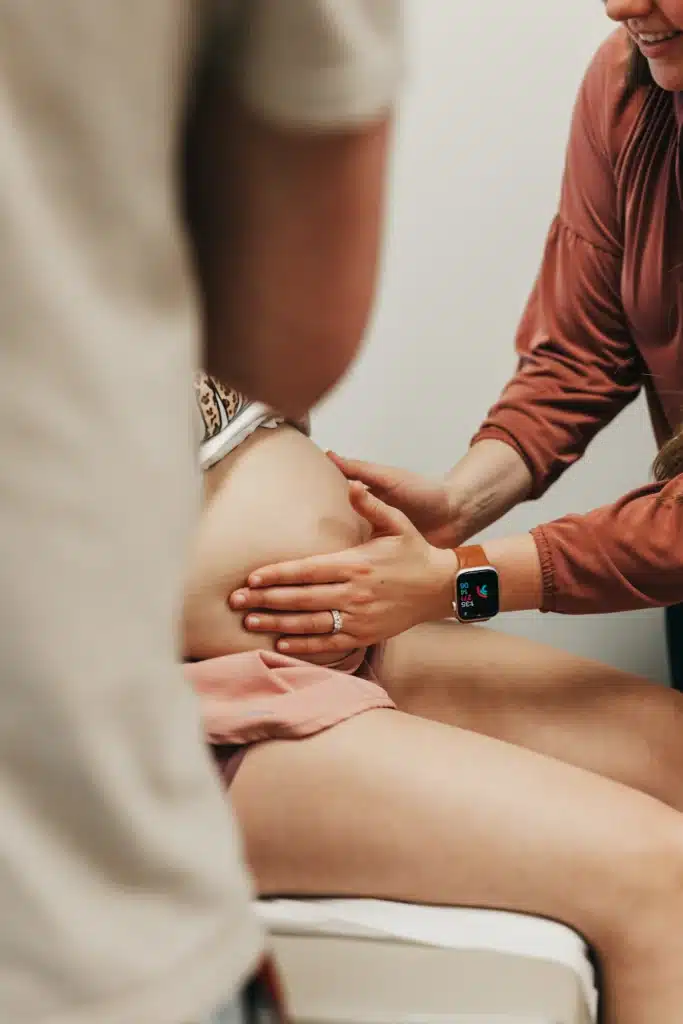
This guide is for parents in Irving, Farmers Branch, Coppell, and nearby areas who want a more natural birth experience.
One that feels calm, supported, and informed.
We will walk through what a birth plan actually is, what to include, and how to prepare without stress.
Let’s start.
What a Birth Plan Really Is (and What It Is Not)
A birth plan is simply a written way to say:
“Here’s what I care about during labor and birth.”
That’s it. It is not a rigid script. It is not a guarantee.
And it is not a test you can fail.
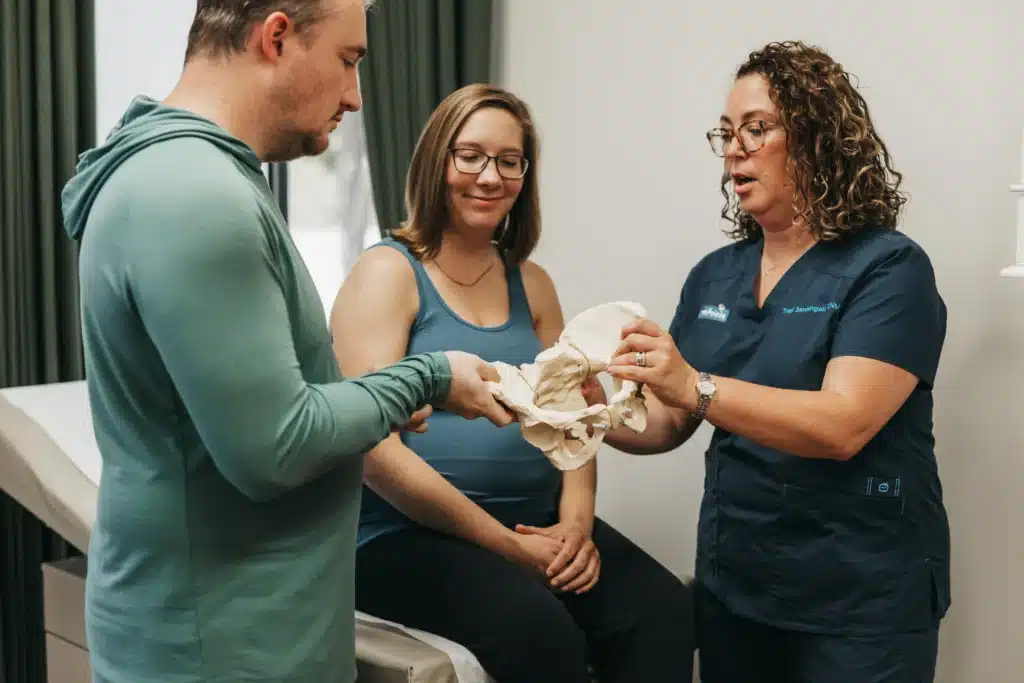
Think of it as a conversation starter.
It helps your care team understand:
- How you want to be supported
- What helps you feel calm
- What you want to try before interventions
Especially if you are planning a natural birth, this matters.
Natural birth often includes things like:
- Moving freely
- Using water, breath, or position changes for comfort
- Fewer routine interventions
- Immediate bonding after birth
If you do not write those preferences down, people may assume otherwise.
A birth plan helps prevent assumptions.
Why a Birth Plan Helps With Natural Birth
Many parents say the same thing after birth:
“I didn’t realize I had choices.”
A birth plan helps you learn those choices before labor begins.
When you know your options, you feel calmer.
When you feel calmer, labor often feels more manageable.
For parents planning natural birth, a birth plan can help with:
- Staying mobile during labor
- Using comfort measures instead of default interventions
- Having your partner or doula actively support you
- Protecting quiet bonding time after birth
Here’s how we usually explain it:
You are not planning the outcome. You are preparing for the experience.
If you want guidance that walks through these choices step by step, take a look at the childbirth classes here:
View BirthPointe childbirth classes
A Simple Birth Plan Checklist (Natural Birth Focused)
You do not need pages of details.
Clear and simple works best.
Here is an easy way to break it down.
Basic Info
Keep this short:
- Your name
- Due date
- Care provider
- Birth location
- Who is supporting you
Labor Environment
Ask yourself:
- Do I want dim lights or bright?
- Quiet or music?
- Movement or rest?
Many parents include:
- Freedom to move
- Use of a shower or tub
- Personal comfort items
Small things can make a big difference when labor gets intense.
Support People
List who will be there and how they help.
For example:
- Partner helps with breathing and reassurance
- Doula supports comfort and communication
- Limited visitors until after birth
This avoids confusion in the moment.
Comfort and Pain Support
If you are planning a natural birth, this is key.
You might include:
- Walking, swaying, or changing positions
- Birth ball or upright labor
- Breathing or visualization
- Massage or counterpressure
- Water for comfort
Many parents write something like:
“I prefer natural comfort measures and minimal intervention unless medically needed.”
Clear. Calm. Respectful.
Birth and Baby Care
Think about the first moments after birth.
Common preferences include:
- Upright or instinctive pushing
- Delayed cord clamping
- Immediate skin to skin
- Time to bond before routine procedures
These moments matter.
Prenatal Education Near Irving and Coppell (Why It Matters)
Here is something we see all the time.
Parents who take childbirth classes feel more confident not because they “know everything.” But because fewer things feel scary or unknown.
Prenatal education helps you:
- Understand how labor actually works
- Learn comfort tools before you need them
- Practice partner support
- Feel less caught off guard
It is especially helpful if you want a natural birth. You learn how to work with your body instead of fighting it.
Parents in Irving, Farmers Branch, Coppell, and nearby cities have access to birth education designed for real life, not just textbook birth.
Want to see what classes are available?
Take a look here:
Using Templates Without Overcomplicating Things
You do not need to reinvent the wheel.
Birth plan templates are helpful because they:
- Remind you of important topics
- Keep things organized
- Make it easier to share with providers
The key is not to copy and paste blindly.
Here’s a better way:
- Start with a template
- Cross out what does not apply
- Highlight what matters most
- Keep it to one page if possible
Simple is respectful of everyone’s time.
How to Talk About Your Birth Plan (Without Feeling Awkward)
This part makes a lot of parents nervous.
Good news. It does not have to be uncomfortable.
Start early. Bring it up during prenatal visits, not during labor.
Use phrases like:
- “My goal is…”
- “I prefer…”
- “Can we talk about options if this comes up?”
This keeps the conversation open and collaborative. Also, make sure your partner or support person understands your plan. They may be the one speaking up when you are focused inward.
And remember:
Flexibility is part of preparation.
If you want help feeling prepared instead of anxious, explore ongoing education and support here: Read the BirthPointe blog
Quick Takeaways
If you skimmed, start here:
- A birth plan is a guide, not a script
- Natural birth plans focus on comfort, movement, and choice
- Writing things down prevents assumptions
- Prenatal education builds confidence
- Simple plans work best
- Communication matters more than perfection
Final Thoughts

Preparing a birth plan is not about being demanding. It is about being informed. It is about knowing what helps you feel safe and supported. It is about walking into birth feeling grounded instead of unsure.
Parents in Irving, Coppell, and nearby communities deserve care that respects their choices and their voices.
Take this one step at a time. Ask questions. Learn your options. Trust that preparation can be calm and empowering.
Frequently Asked Questions (FAQs)
1. When should I start writing my birth plan?
Most parents start around 28–32 weeks. This gives you time to think through your preferences, take a class if you want, and discuss it with your provider before labor begins.
2. Can I make a birth plan for home or birthing center birth?
Yes. Birth plans are especially useful for home or birthing center births. They help your midwife or support team understand exactly what you want in a calm, natural environment.
3. Do I need a doula for a natural birth?
Not required, but many parents find doulas very helpful. They provide continuous support, guidance, and reassurance, which can make labor feel smoother and less stressful.
4. What if my birth doesn’t go exactly as planned?
That’s okay. Birth plans are flexible tools. They guide your team and your decisions, but things can change. The key is staying informed, calm, and involved.
5. Are childbirth classes really necessary?
Not strictly necessary, but they help a lot. Classes teach what to expect, how to use comfort techniques, and how partners can support you. Parents often feel more confident and less anxious afterward.