

If you are planning a natural birth, you are probably already thinking about your environment. Calm space. Fewer interventions. Trusting your body.
But what surprises many parents is this part.
Right after birth, feeding starts quickly. Sometimes within the first hour.
And that is when questions show up fast:
“Is this normal?”
“Why is baby feeding again already?”
“Am I doing this right?”
This is where preparation really helps.
Breastfeeding classes give you a mental picture of what those first days look like so you are not guessing in the moment.
You start to recognize:
- Normal cluster feeding
- Early hunger cues
- Skin-to-skin benefits
- Why babies feed so frequently
A lot of parents later say:
“I wish someone had explained this before birth. It would have saved me so much stress.”
If you are planning a natural birth, it helps to understand your overall care and birth environment too. You can explore more about your options for a natural birth experience.
You can also see how breastfeeding education fits into preparation through childbirth classes for natural birth.
Quick takeaway: When you know what to expect, those early feeding moments feel less overwhelming and more manageable.
What lactation support actually looks like in real life
This is the part most people do not fully understand until they experience it.
Lactation support is very hands-on.
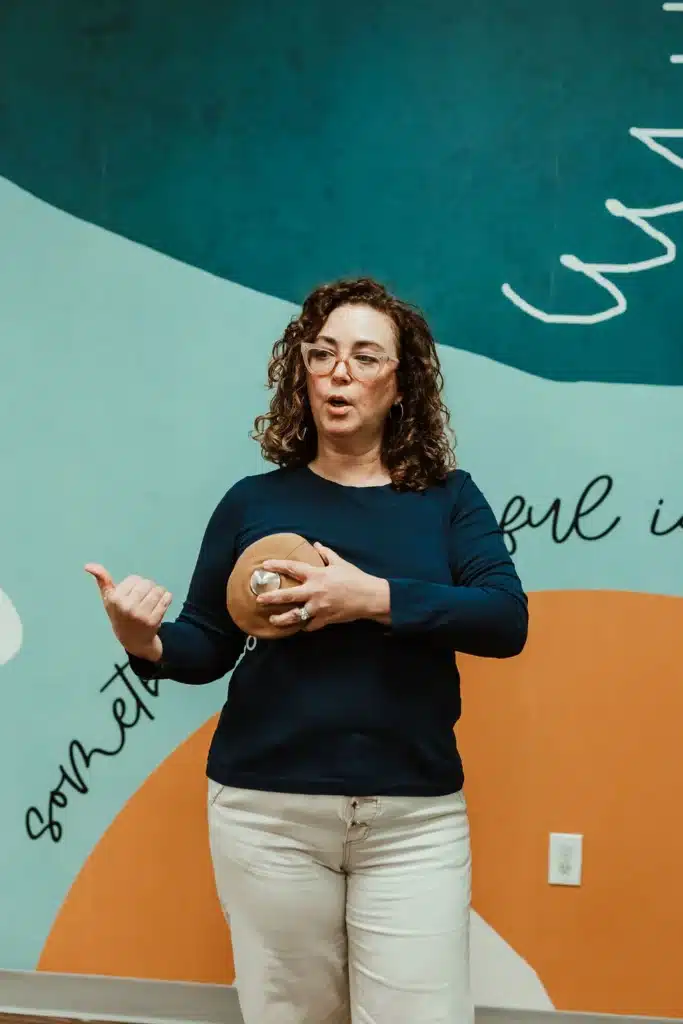
It is not just advice. It is someone sitting with you, watching a feeding, and helping you adjust things in real time.
For example:
- Baby’s latch feels shallow → small adjustment fixes pain
- Feeding feels constant → positioning is checked and adjusted
- Worries about supply → reassurance and feeding evaluation
Sometimes it is simple changes that make a big difference.
We often hear:
“I thought something was wrong. It turned out I just needed help with positioning.”
That is more common than most people realize.
If you want continued support after birth, this is where postpartum care support becomes really important.
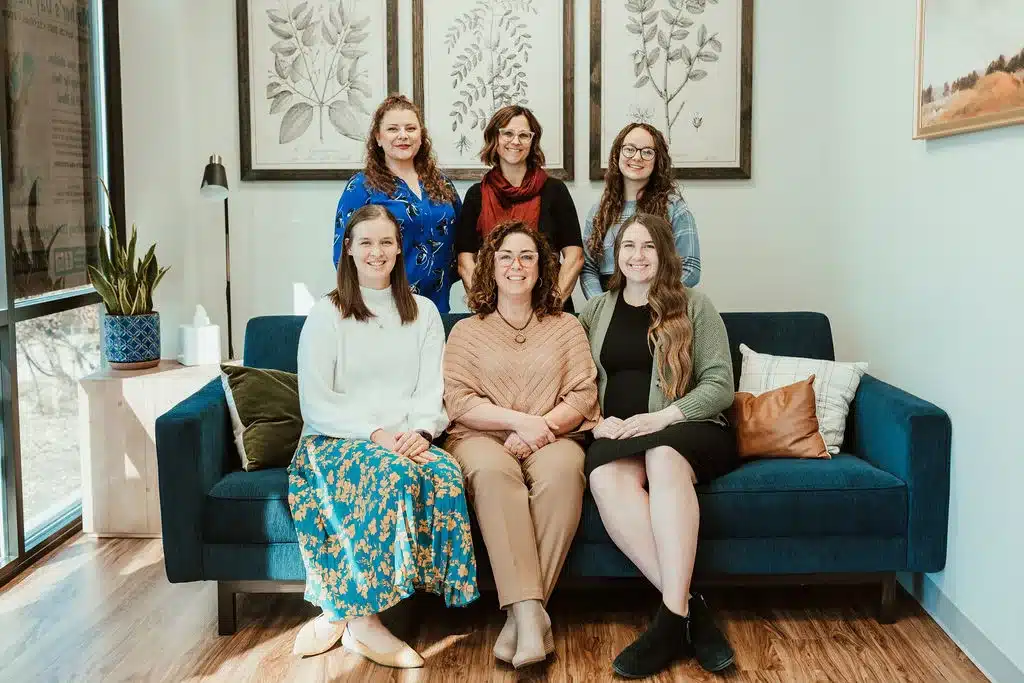
And if you want to meet the care team who supports families through this process, you can schedule a meet the midwife visit.
Quick takeaway: Most breastfeeding struggles are fixable with the right hands-on guidance.
Local breastfeeding support in Dallas/Fort Worth Metroplex
One of the biggest advantages for families in North Texas is access to ongoing, community-based care.
Instead of support ending at discharge, you continue getting help through pregnancy, birth, and postpartum.
Families often look for:
- Prenatal breastfeeding education
- Postpartum check-ins
- One-on-one lactation help
- Ongoing guidance after birth
That continuity matters more than most people expect.
Because breastfeeding does not follow a hospital schedule. It happens at home. At night. During moments when you are tired and unsure.
If you are preparing for birth and want a full picture of how education supports the journey, start with prenatal parenting classes for natural birth.
And if you are ready to ask questions or get personalized support, you can always contact us.
Quick takeaway: Ongoing support is what makes breastfeeding feel sustainable instead of stressful.
Conclusion
Here is the honest truth most parents appreciate hearing.
Breastfeeding is not always smooth in the beginning.
Even when things are going well.
There are long nights. Cluster feeding. Moments of doubt. Times when you just want reassurance that your baby is okay and you are doing things right.
That is exactly why breastfeeding classes and lactation support matter.
Not because they make everything perfect.
But because they help you feel more steady when everything is new.
If you are planning a natural birth in Dallas/Fort Worth Metroplex, or nearby, adding breastfeeding preparation into your plan can make those early days feel more manageable.
You can explore breastfeeding education here: breastfeeding classes.
And if you are ready to connect with a team for support or questions, you can contact us anytime.
Final takeaway: You do not have to figure this out alone. Support changes everything in those first weeks.
FAQs
1. When should I take breastfeeding classes during pregnancy?
Most families benefit from taking breastfeeding classes during the third trimester, around 28–36 weeks, so information is fresh at delivery.
2. Do breastfeeding classes really improve success rates?
Yes. Studies show that prenatal lactation education improves breastfeeding initiation and helps mothers breastfeed longer.
3. What if I plan a natural birth—do I still need lactation support?
Yes. Natural birth and breastfeeding are closely connected, but feeding challenges can still occur and benefit from preparation.
4. Can partners attend breastfeeding education sessions?
Absolutely. Partner involvement improves postpartum support and helps maintain consistent feeding routines.
5. What if breastfeeding is painful or difficult after birth?
Lactation consultants can help adjust positioning, identify issues like latch problems, and provide strategies to reduce discomfort.
References
- World Health Organization (WHO) – Breastfeeding recommendations https://www.who.int
- Centers for Disease Control and Prevention (CDC) – Breastfeeding support strategieshttps: //www.cdc.gov/breastfeeding/
- Global Breastfeeding Collective – Policy and support frameworkshttps: //www.unicef.org/breastfeeding