

What preconception care really means (and why it matters)
When people search for preconception care, they’re usually looking for one thing:
“How do I get my body ready for a healthy pregnancy?”
Not in a complicated medical way. Just simple, real-life guidance.
Here’s the truth we see all the time in Dallas/Fort Worth Metroplex, where many families begin exploring preconception care Texas options before trying to conceive:
Most people only start thinking about pregnancy after they’re already trying.
But your body actually starts preparing months before conception.
So preconception care is really just this:
- Getting your body ready
- Supporting your hormones
- Reducing stress on your system
- Building healthier daily habits
Nothing extreme. Just intentional.
If you’re exploring a more natural approach to pregnancy, it can help to understand what supportive care actually looks like. A good place to start is learning how a birth center approach feels different from traditional care.
That context alone helps a lot of families feel less overwhelmed, especially for those looking into preconception care Texas options before starting their pregnancy journey.
👉 If you’re ready to talk through your own situation, you can always reach us here.
How to prepare your body naturally for pregnancy
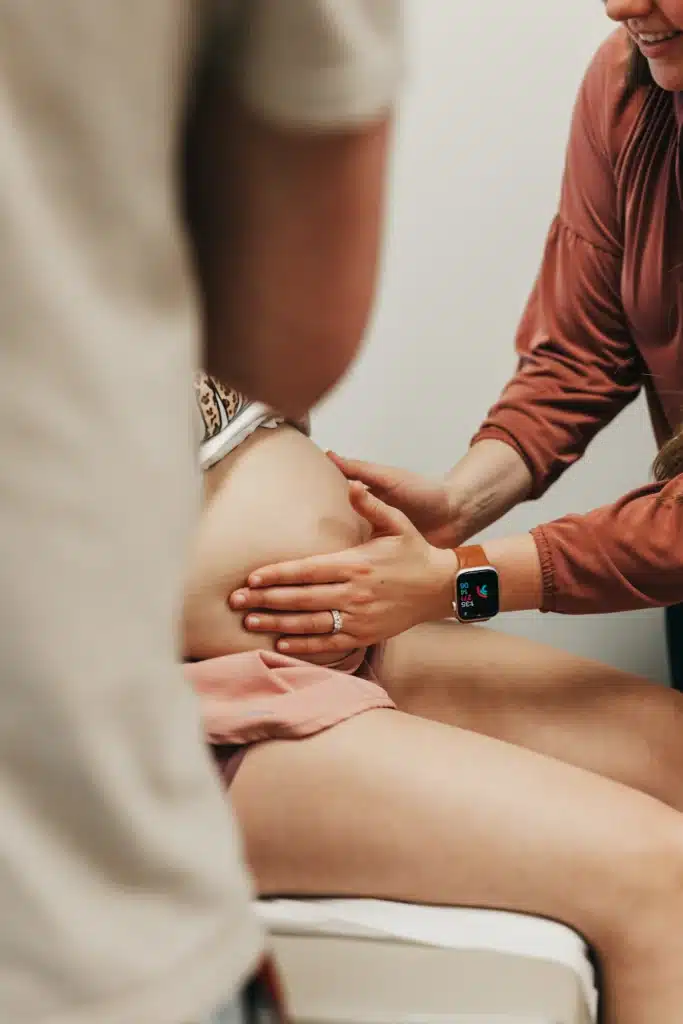
Let’s keep this simple. No pressure. No perfection.
Just real-life habits that actually support fertility.
1. Food that supports your body (not restriction)
We don’t recommend strict diets.
Instead, we focus on consistency.
Think:
- Protein with meals
- Healthy fats like avocado and olive oil
- Fruits and vegetables most days
- Less ultra-processed food when possible
One thing we see often is women eating “healthy-ish,” but not enough overall nourishment. That can quietly affect energy, cycles, and hormone balance.
If you want a deeper look at nutrition and fertility, this is a helpful guide.
It connects nutrition, cycle awareness, and fertility in a very practical way.
2. Movement that feels sustainable
You do not need intense workouts.
In fact, too much stress on the body can sometimes work against fertility.
What usually works better:
- Walking after meals
- Light stretching or yoga
- Gentle strength training a few times per week
Think:
“Can I do this even on a busy week?”
That’s the goal.
3. Stress and nervous system support
This is the part most people underestimate.
Stress doesn’t just affect mood. It can affect:
- Ovulation
- Sleep quality
- Hormone balance
We’re not saying “be calm all the time.” That’s not realistic.
We’re saying:
Give your body space to recover when life is busy.
A lot of families find that understanding their care options early actually reduces stress. Knowing what to expect makes everything feel less chaotic.
If you want a better sense of what prenatal care can look like in a supportive setting, this helps.
And if questions come up along the way, you can always reach out here.
Medical + functional preparation before pregnancy
Natural preparation is important, but so is clarity about your health.
We usually recommend checking:
- Iron levels
- Thyroid function
- Hormone balance
- Basic labs
- Genetic carrier screening when appropriate
Not because something is wrong.
But because surprises are harder later.
If you’re curious about what midwife-led care looks like during this stage, here’s a helpful resource:
A lot of people say this visit alone makes things feel more “real” and less confusing.
Fertility wellness in everyday Texas life
Living in places like Dallas/Fort Worth Metroplex comes with its own rhythm.
Busy schedules. Fast commutes. Lots of indoor time.
That lifestyle can subtly affect fertility through:
- Stress
- Sleep disruption
- Environmental exposures
- Fast eating habits
We don’t believe in perfection here.
We believe in small swaps:
- Filtered water when possible
- Less plastic food storage
- More outdoor time
- Slowing down meals
And one of the biggest shifts we see?
When people start learning early about birth options, they tend to feel more grounded overall.
If you’re exploring a more natural path, this is a helpful overview.
It helps connect the “before pregnancy” phase with the “birth experience” phase.
Supplements that actually matter

You don’t need a cabinet full of vitamins.
Start simple:
- Folate (before pregnancy, not after)
- Omega-3s
- Iron if needed
That’s usually enough for most people.
The key is timing. Starting early matters more than adding more supplements later.
Getting emotionally ready for pregnancy and birth
This part is often overlooked, but it makes a big difference.
We hear things like:
“I’m excited, but I don’t really know what birth will feel like.”
That uncertainty creates stress.
What helps:
- Learning what labor actually looks like
- Talking through fears early
- Taking structured classes instead of random online videos
A lot of families feel calmer once they start preparing in a guided way.
These classes are a good place to begin.
And if you want support building confidence step by step, we’re here.
Simple preconception checklist (keep it easy)
You don’t need to do everything at once.
Start here:
- Take prenatal vitamins
- Eat more whole foods
- Move your body daily
- Check basic labs
- Improve sleep gradually
- Reduce stress where possible
- Learn about your care options
- Talk with a provider if needed
That’s enough to start.
When should you begin preconception care?
The ideal window is:
3 to 6 months before trying to conceive.
But honestly, starting later is still better than not starting at all.
We’ve seen real changes in:
- Cycle regularity
- Energy levels
- Mood stability
- Fertility awareness
Just from small consistent changes.
If you’re not sure where to begin, this is a good entry point.
It may seem like “after birth” care, but understanding the full journey early actually reduces anxiety during preconception too.
Quick takeaways
- preconception care is about preparation, not perfection
- Your body starts preparing months before pregnancy
- Food, stress, and sleep matter more than most people realize
- Small changes are enough to make real improvements
- Learning about care options early reduces anxiety
- Support systems matter just as much as physical health
Final thoughts
If you’re in Dallas/Fort Worth Metroplex, or nearby, you don’t need to figure everything out alone.
Most people don’t start perfectly prepared. They just start where they are.
One habit. One change. One step.
That’s really what preconception care is about.
Not pressure. Not perfection.
Just preparing your body and mind in a way that feels steady and supported.
If you want help figuring out your next step, you can always reach out here.

FAQs
1. What is included in preconception car?
It includes medical screening, nutrition guidance, lifestyle optimization, and fertility wellness planning.
2. When should I start preconception care?
Ideally 3–6 months before trying to conceive for best fertility outcomes.
3. Can preconception care improve fertility naturally?
Yes, lifestyle and nutrition changes can significantly improve reproductive health.
4. Do both partners need preconception care?
Yes, sperm health is equally affected by lifestyle and nutrition.
5. Is preconception care necessary for natural birth planning?
It is highly recommended to support safer, more empowered natural birth outcomes.