

If you live in Irving, Farmers Branch, Coppell, or nearby and you’re thinking,
“I want a natural birth… but I also want to feel safe.”
You’re not alone.
A lot of parents start looking into prenatal care at a birth center options because something about the typical hospital routine just doesn’t feel right for them.
Maybe appointments feel rushed.
Maybe you see a different provider every time.
Maybe you want more than a five-minute heartbeat check and a printout.
If you’re curious about midwife prenatal care, here’s what it actually looks like. No fluff. No brochure language. Just real expectations so you can decide if it feels right for your family.
What Prenatal Care at a Birth Center Really Feels Like
Let’s start with the biggest difference.
You are not just a chart.

At a birth center, prenatal visits are usually 30 to 60 minutes long. That alone changes everything.
You sit down. You talk. You ask questions.
You don’t feel rushed out the door.
Your care is led by a Certified Nurse Midwife. That means a highly trained nurse with graduate-level education in pregnancy and birth.
Here’s how we handle it:
- You usually see the same midwife throughout your pregnancy.
- She gets to know you.
- She’ll likely be there at your birth.
- Your partner is included in conversations.
- Your preferences matter.
If you want to understand the philosophy behind this approach, start here:
Frustrated with short appointments?
Come meet the midwives and see how it feels in person.
What Happens at Each Prenatal Visit?
Let’s make this simple.
Yes, we still check all the important medical things.
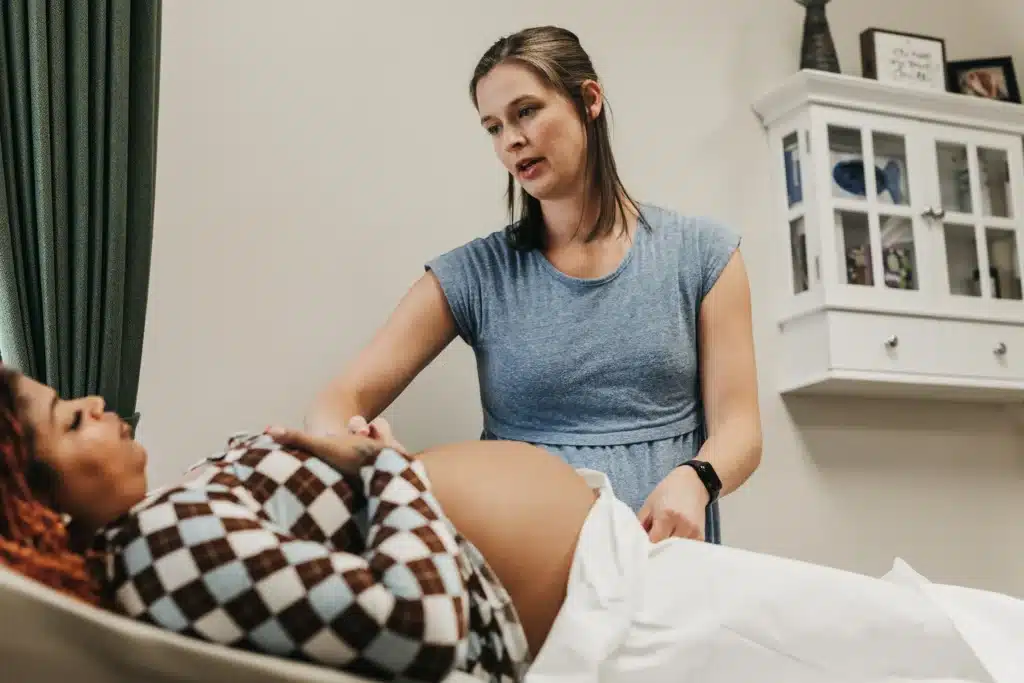
At each visit, you can expect:
- Blood pressure check
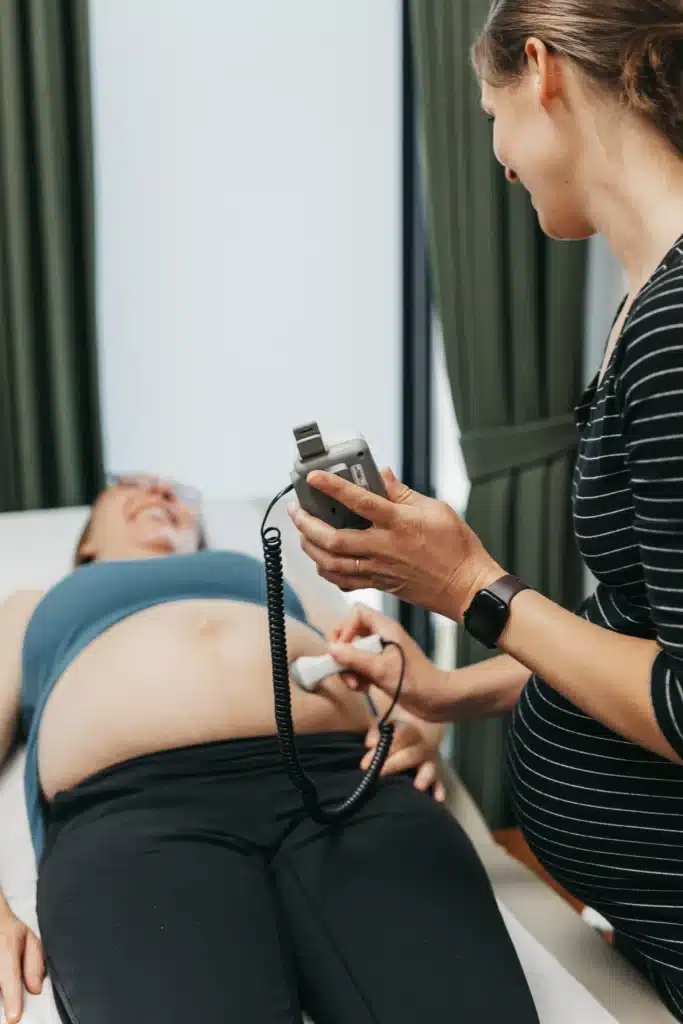
- Baby’s heartbeat
- Belly measurement
- Weight and labs when needed
- Screening for any concerns
But here’s what makes it different.
You also talk about:
- How you’re sleeping
- What you’re eating
- How you’re feeling emotionally
- Fears about labor
- Birth plan ideas
- Natural pain coping techniques
And you have time to ask your real questions. Not just the quick ones.
A typical schedule looks like this:
- Every 4 weeks early on
- Every 2 weeks in the third trimester
- Weekly near the end
Want details about how visits work locally?
Tired of leaving appointments with unanswered questions?
Schedule your tour and bring your list. You’ll have time to go through it.
Is It Safe? Let’s Talk Honestly.
This is usually the first big question.
Birth centers care for low-risk pregnancies. That means:
- No major medical complications
- No uncontrolled high blood pressure
- No insulin-dependent diabetes
- One baby, head down near term
According to the American Association of Birth Centers, accredited birth centers have strong safety outcomes for low-risk families, with significantly lower C-section rates compared to hospitals for similar pregnancies.
And here’s something important. Birth centers are not anti-hospital.
If something changes, midwives transfer care. That’s part of safe practice. The goal is the right care at the right time.
Curious about how birth centers compare?
Feeling unsure?
Schedule a tour. Seeing the space and asking questions face to face makes a big difference.
Education Is Built Into Your Care
At many hospitals, childbirth classes are separate.
At a birth center, education is woven into your care.
Here’s what that often includes:
- Natural labor coping skills
- Movement and positioning practice
- Water birth preparation
- Breastfeeding basics
- Postpartum recovery planning
The World Health Organization emphasizes that respectful maternity care and informed decision-making improve maternal outcomes.
Translation?
When you understand what’s happening, you feel calmer.
When you feel calmer, labor often goes more smoothly.
You can explore class options here:
Want to feel prepared instead of nervous?
Start with a class. It makes a bigger difference than most parents expect.
What About After the Baby Is Born?
Here’s something many families don’t realize.
In a hospital setting, you might get one postpartum check around six weeks.
That’s it. Birth centers usually stay more connected.
You can expect:
- Early postpartum follow-up
- Breastfeeding support
- Emotional check-ins
- Help spotting signs of postpartum depression
- Guidance on healing
The Centers for Disease Control and Prevention highlights the importance of early postpartum care for maternal health.
The first weeks after birth can feel overwhelming. Sleep-deprived. Emotional. Beautiful. Hard.
Having someone you already trust makes that season easier.
Learn more about support after birth:
Already thinking ahead to those first weeks?
Ask about postpartum care when you tour. It’s worth planning for now.
Quick Takeaways
If you just want the highlights:
- Prenatal care birth center visits are longer and more personal.
- You usually see the same midwife throughout pregnancy.
- Midwife prenatal care focuses on education and natural birth preparation.
- Birth centers serve low-risk pregnancies with clear safety protocols.
- Postpartum support is stronger than many hospital models.
- You are treated like a person, not a number.
Let’s Wrap This Up
If you’re in Irving, Farmers Branch, Coppell, or nearby and considering your options, here’s the simple truth:
Prenatal care shapes your birth experience.
Not just medically. Emotionally too.
When you feel heard, supported, and prepared, pregnancy feels different. Labor feels different. Recovery feels different.
Birth center care is not for everyone. But for healthy, low-risk families who want a natural approach with skilled medical oversight, it can be a really good fit.
You don’t have to decide today. Just start with a conversation:
Come see the space. Ask your questions. Trust your gut.

FAQs
1. Is prenatal care at a birth center safe?
Yes, for low-risk pregnancies. Accredited birth centers follow strict safety guidelines and collaborate with hospitals if needed.
2. How long are midwife prenatal visits?
Appointments typically last 30–60 minutes, allowing time for education and questions.
3. Can I have a water birth at a birth center?
Many centers offer water birth options, with preparation during prenatal visits.
4. What if complications develop?
If pregnancy risk increases, midwives coordinate transfer to appropriate medical care.